Jewellery is where AI ads most often look fake, and every brand weighing up an AI jewellery ad knows it. The metal looks like plastic, the stone doesn’t catch light, and the hands move like puppets. Buyers can tell, and in a category sold on trust, that’s fatal.
So when a lab-grown diamond brand invited us to pitch for their launch campaign, we set one rule. If a frame looked generated, it didn’t ship.
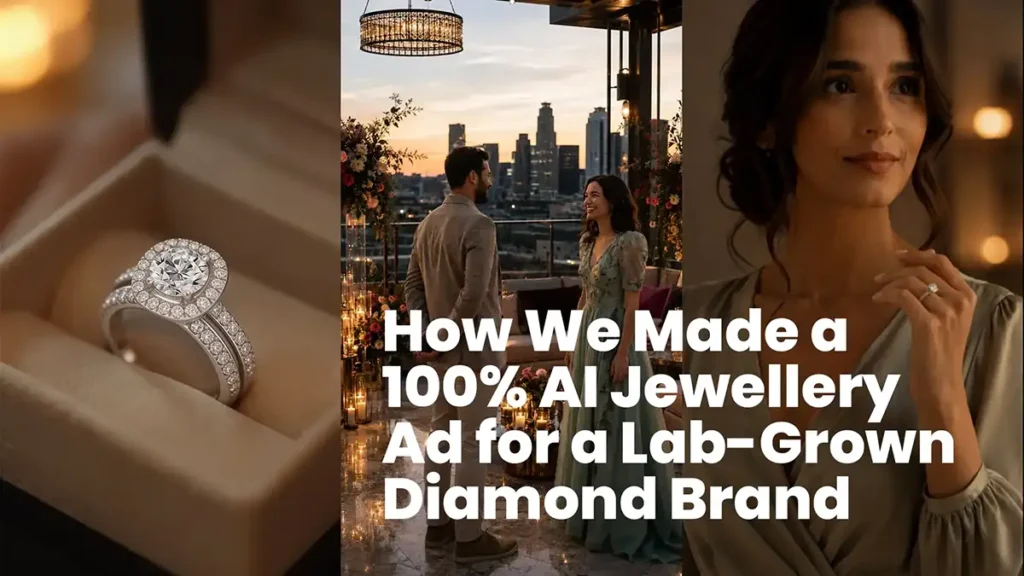
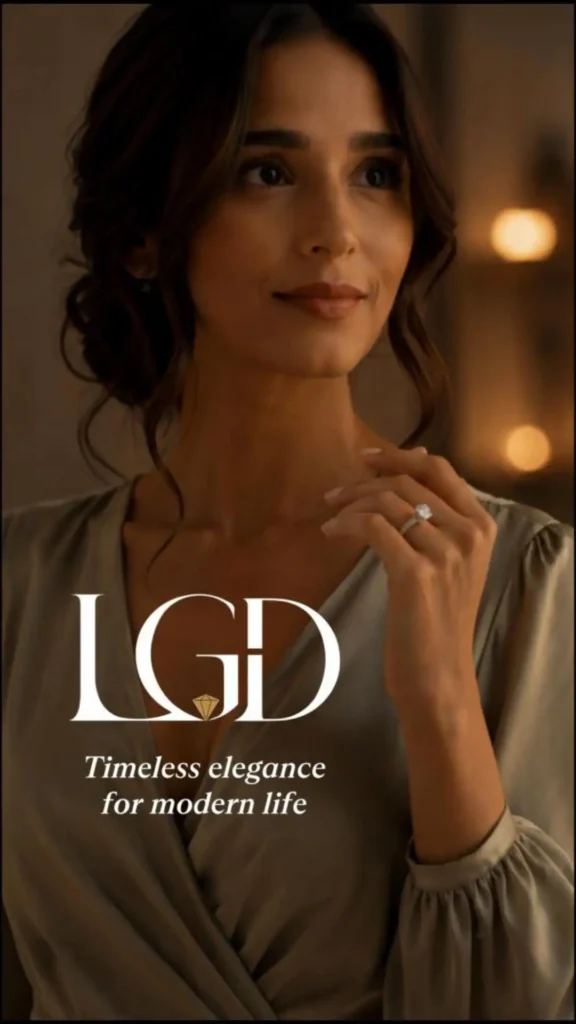
We won the pitch with this reel. Every frame is AI-generated. Here’s how we made it in one week, what broke along the way, and what I’d tell any jewellery brand thinking about AI production.
Why lab-grown diamond brands need more ad creative than shoots can deliver
Lab-grown diamonds are one of the fastest-growing jewellery categories in India. The market is worth about USD 0.45 billion in 2026 and is projected to reach USD 1.04 billion by 2032 (MarkNtel Advisors).
Money is pouring in. Firefly Diamonds raised a USD 3 million seed round, and Titan has entered the category with BeYon. More brands are fighting for the same feed, which means more films, more often.
That’s the problem. Social ads wear out fast, and a proper jewellery shoot is slow and expensive. Lab-grown brands also can’t win on price alone forever. They need emotion, and emotion needs good film.
The brief: a pitch we won with one reel
The client, whom we’ll call LG Diamonds, is a lab-grown diamond brand preparing a full launch campaign. The campaign includes a 3-video series, and this 30-second reel is its short-form version for social.
The objective was clear: present LG Diamonds as premium fine jewellery for modern life, not as a cheaper alternative. Most lab-grown advertising leads with price. We wanted the opposite.
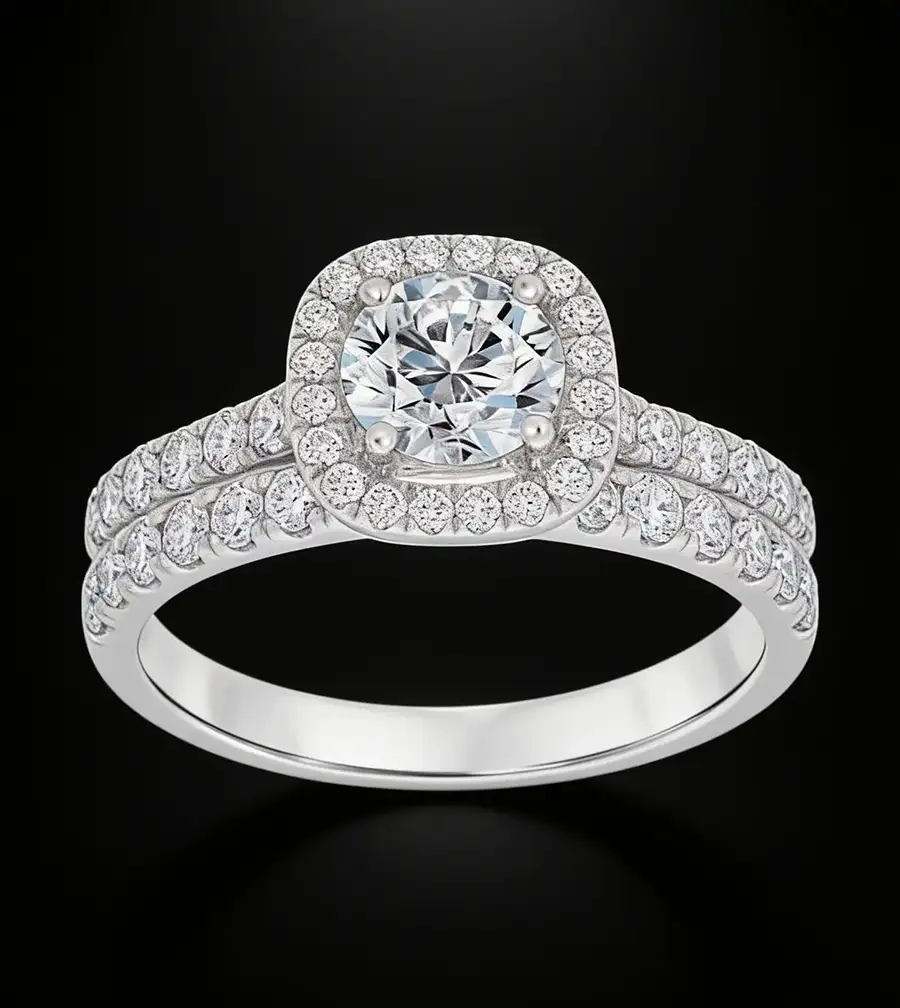
We had one asset to start with: the client’s real ring, photographed from different angles. We asked for those photos on purpose, and I’ll explain why below.
The idea we pitched was called The Moment That Stays.
It captures the wait before a proposal: the quiet anticipation, the arrival of someone special, and the moment a diamond becomes more than jewellery. The ring stands for a promise, a shared future and a memory that stays long after the proposal itself.
We chose not to sell the diamond on price, specifications or comparison. The film builds desire through emotion, elegance and modern romance.
Some moments last only a few seconds. What they mean can last forever.
Our process, step by step
The whole film took one week, from concept to final cut. Three people worked on it: I handled the concept and created every clip, an editor cut it, and a music creator scored it.
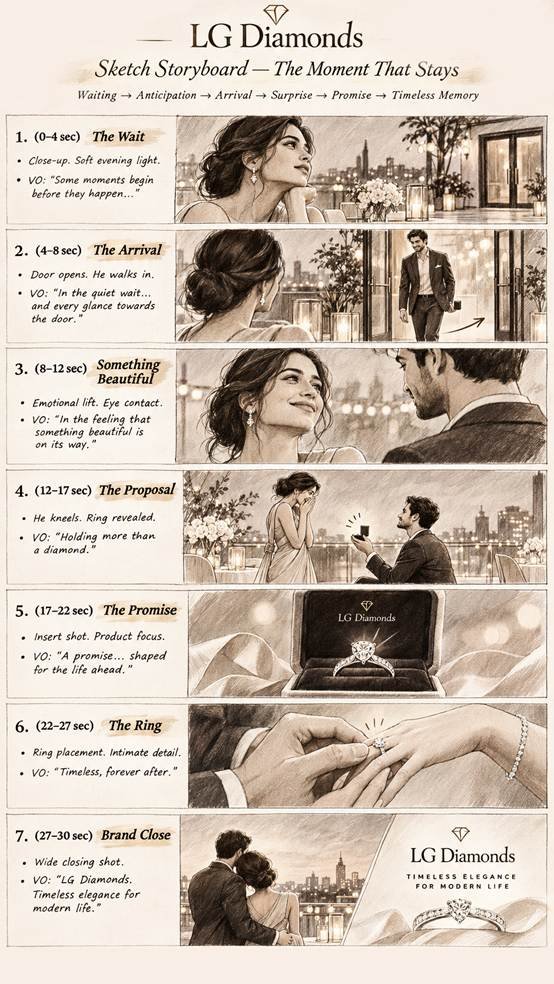
- Concept and storyboard. We wrote the idea first, then planned all seven shots on a storyboard, each with its timing and voiceover line, before generating anything. AI makes it easy to generate first and think later. That’s how you end up with pretty clips that don’t add up to a film.
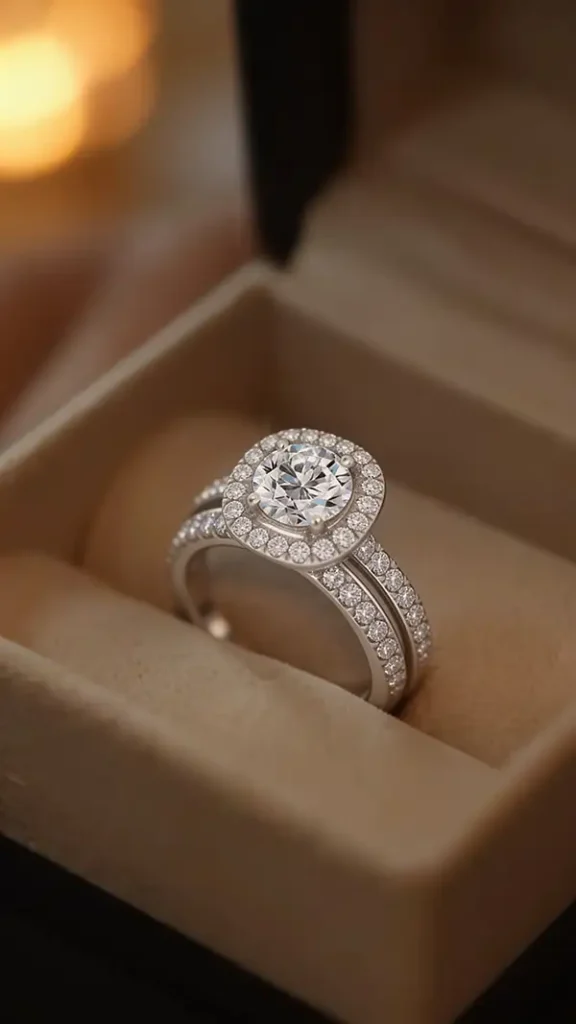
- Product reference. We asked the client for photos of their real ring from several angles. Those photos became our reference, so the ring in the film stays true to the actual product.
- Image frames. We built each shot’s key frame in Nano Banana and GPT Image 2. Each shot took about 4 to 5 rounds of generation before it was right.
- Motion. We turned the frames into video clips in Kling 3.0. Each clip went through 3 to 4 versions.
- Edit. My editor cut the film in Filmora.
- Music. A music creator made an original score for the film.
Here’s the storyboard we pitched with. The story moves from waiting to anticipation, arrival, surprise, promise and a timeless memory, across 30 seconds.
| # | Time | Beat | Shot | Voiceover |
| 1 | 0–4 s | The Wait | Close-up, soft evening light | “Some moments begin before they happen…” |
| 2 | 4–8 s | The Arrival | Door opens, he walks in | “In the quiet wait… and every glance towards the door.” |
| 3 | 8–12 s | Something Beautiful | Emotional lift, eye contact | “In the feeling that something beautiful is on its way.” |
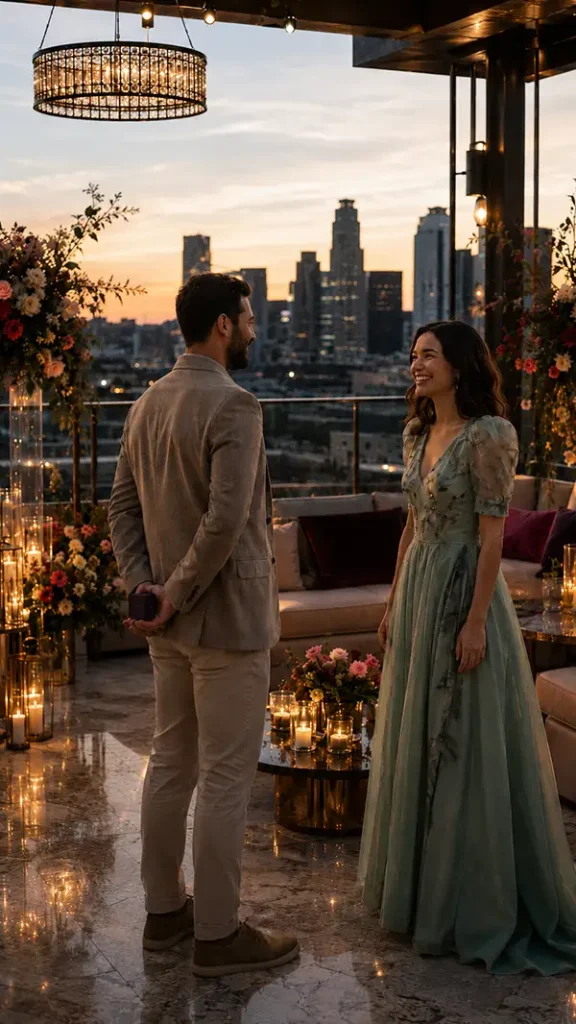
| 4 | 12–17 s | The Proposal | He kneels, ring revealed | “Holding more than a diamond.” |
| 5 | 17–22 s | The Promise | Insert shot, product focus | “A promise… shaped for the life ahead.” |
| 6 | 22–27 s | The Ring | Ring placement, intimate detail | “Timeless, forever after.” |
| 7 | 27–30 s | Brand Close | Wide closing shot | “LG Diamonds. Timeless elegance for modern life.” |
Only one shot is a pure product shot. The rest sell the feeling, and the ring arrives inside it.
Where AI failed, and how we fixed it
Three things went wrong, and all three are the usual suspects in AI jewellery work.
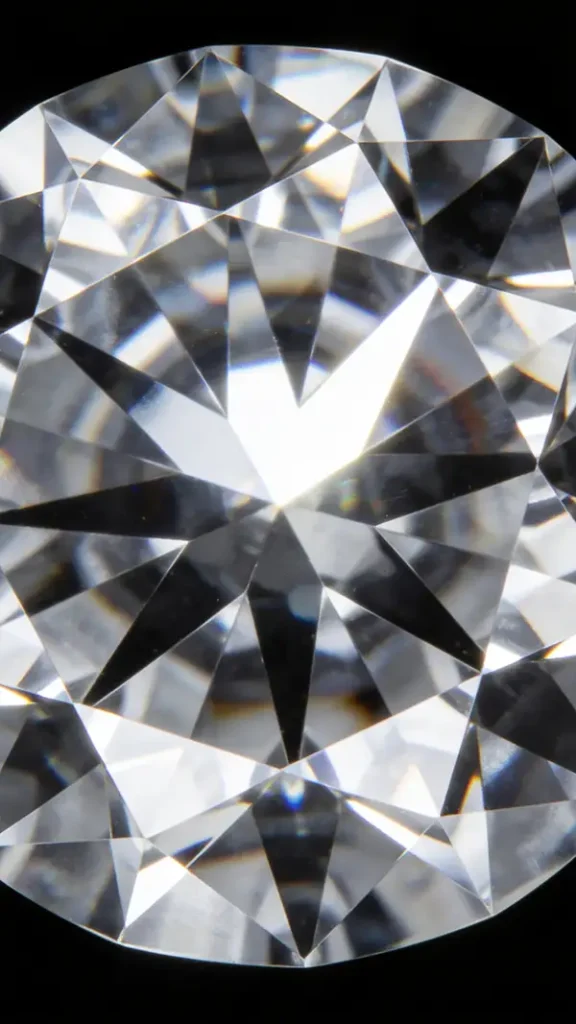
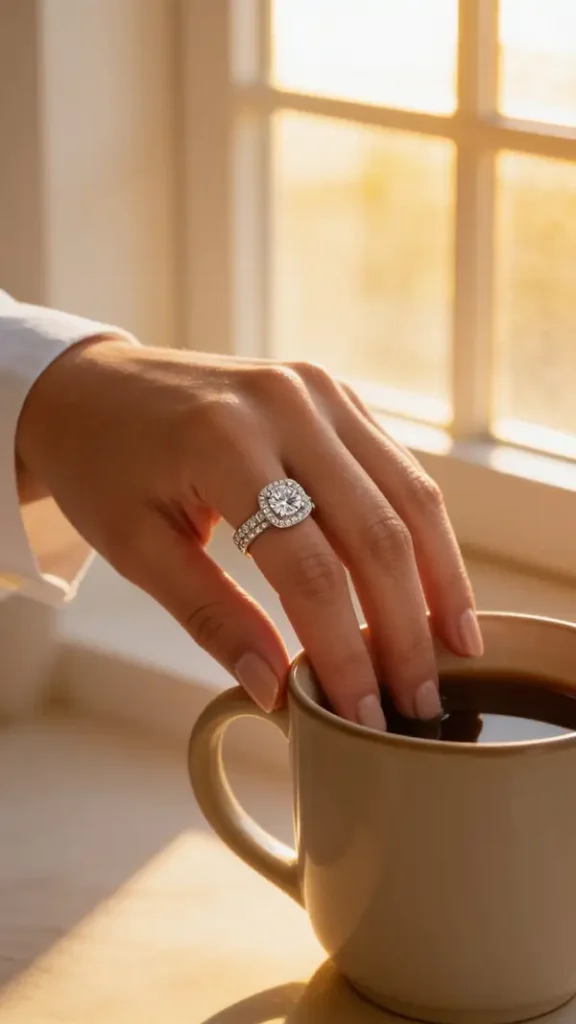
- The diamond didn’t look like a diamond. In the early frames, the ring simply didn’t look real. In this category, that alone kills the film.
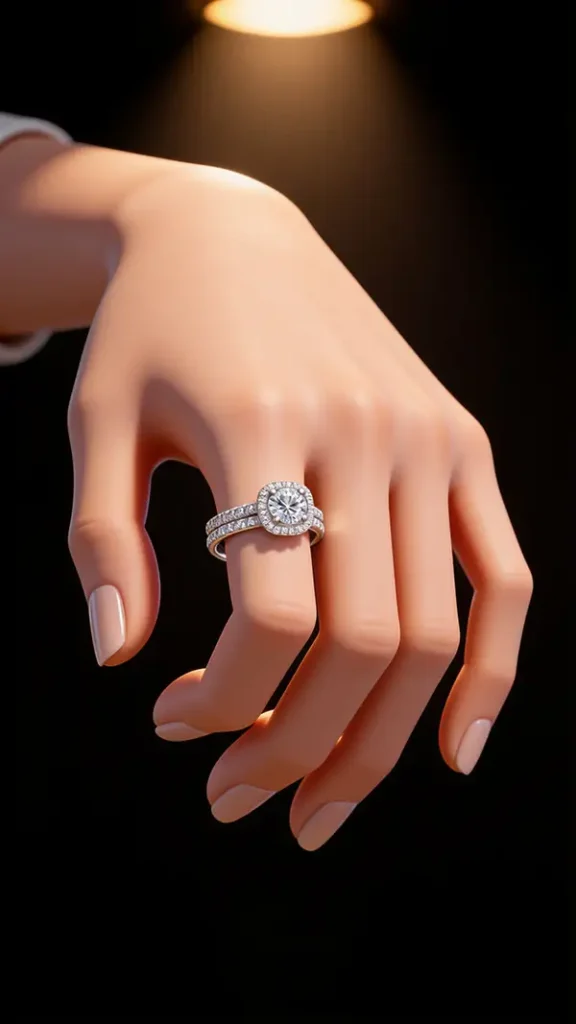
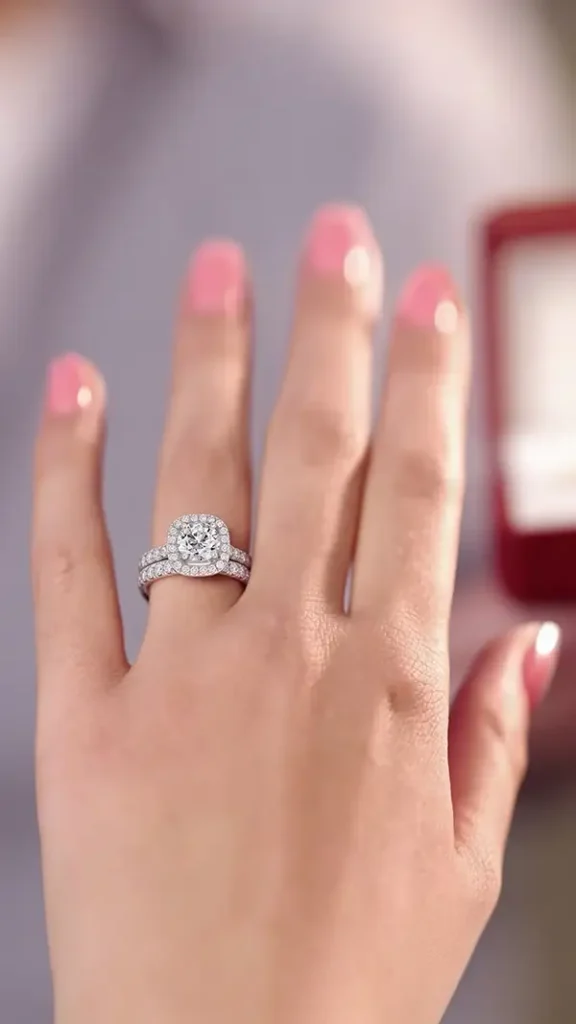
- Hands moved like they weren’t human. Proposals are all about hands: holding, reaching, offering. AI still struggles to make hand movement feel natural, and two of our seven shots, the proposal and the ring placement, depend on it.
- Faces didn’t feel the moment. The expressions weren’t the ones the story needed. A proposal film with the wrong look on someone’s face is just a stock clip.
There was no magic fix. We rewrote prompts again and again, and when one tool wouldn’t get there, we moved the shot to another. Using more than one image tool was what made the difference. One tool rarely gets every shot right.
We never dropped a shot or changed the plan. The storyboard stayed the same. We kept going until each frame matched it.
The failed AI frames
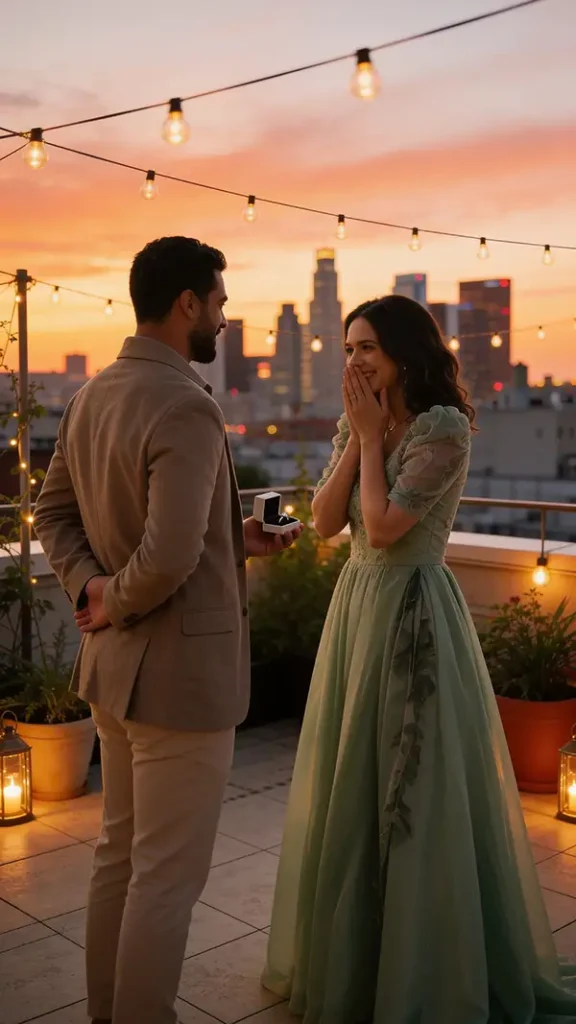
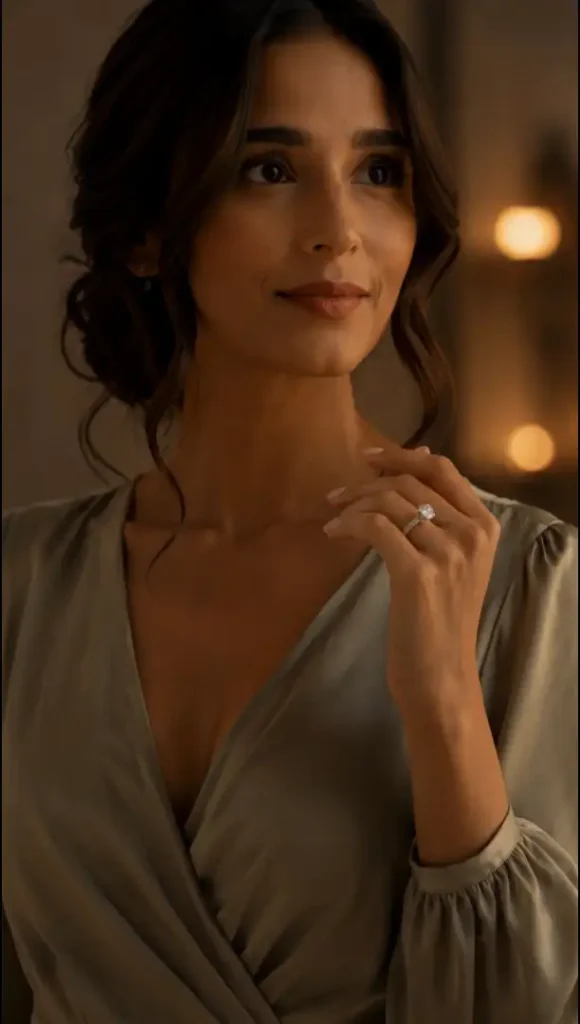
The final AI frames
Can AI match a real diamond shoot?
Yes, if it’s done properly. It takes time and patience, but it’s possible. This reel is the proof, and it won us the pitch.
But here’s what 20 years in branding has taught me: the product is the one thing you protect. My advice to every jewellery brand is to give your AI studio real product photography. Even our fully AI-generated film started from real photos of the ring. Without them, you’re asking a machine to guess what your product looks like.
If the budget allows, go one step further. Shoot a few stills of the product, and of models wearing it. Those stills can be turned into clips, and that lifts the quality of the whole film a lot.
Others are reaching the same answer. For jeweller Jessica McCormack’s AI campaign, the agency Gravity Road photographed the real rings and built the rest with AI. Their words: the films are “100% Gen AI except the diamond.”
You don’t need a full shoot. A stills shoot is enough. Skip the crew, the location and the days of production. Spend on getting the product right, and let AI build everything around it.
What it took, compared with a traditional shoot
By my estimate, a traditional shoot of this film for a lab-grown diamond brand would have cost around INR 10 to 15 lakh. That covers models, location, crew, product handling and post-production.
| Traditional shoot (my estimate) | Our AI film | |
| Team | Director, crew, models, stylists, post team | 3 people: me, an editor, a music creator |
| What we needed from the client | The product, plus shoot days | Photos of the ring from a few angles |
| Time | Weeks of pre-production, shoot and post | One week, concept to final cut |
| Cost | Around INR 10–15 lakh | A fraction of that. Ask us. |
The saving isn’t only the money. With AI, changing a shot means generating again, not booking another shoot day. For a launch campaign that needs a 3-video series, a reel and more, that adds up fast.
Is AI right for your jewellery brand?
Ask yourself these four questions before you brief an AI studio.
- Do you have good photos of your product from several angles? If not, start with a stills shoot. It’s the best money you’ll spend.
- Do you need a lot of creative, fast? Launches, festive seasons and always-on social ads are where AI pays off most.
- Is your story about emotion, not specifications? AI is strong at mood, moments and settings. Let the product photos carry the detail.
- Will your studio keep going until it looks real? Ask to see their failed frames, not just the final ones. Good AI film comes from patience, not one lucky prompt.
If you answered yes to most of these, AI production can give you film-grade work, fast. Ours took one week.
AI did the generating. The decisions were ours: the idea, the frames we rejected, the moment we called it done. That’s what we mean by made, not generated.
We’ve also made a 100% AI real estate project film.
Launching a collection, or tired of shoot budgets? Talk to SG Digital about your next jewellery film.